
How to Survive a Festival Without Falling Apart by Day Three
Festivals are built around the fantasy that your body will happily accept four days of walking, dancing, weather, noise and meals assembled from chips. By day three, reality arrives wearing damp socks.
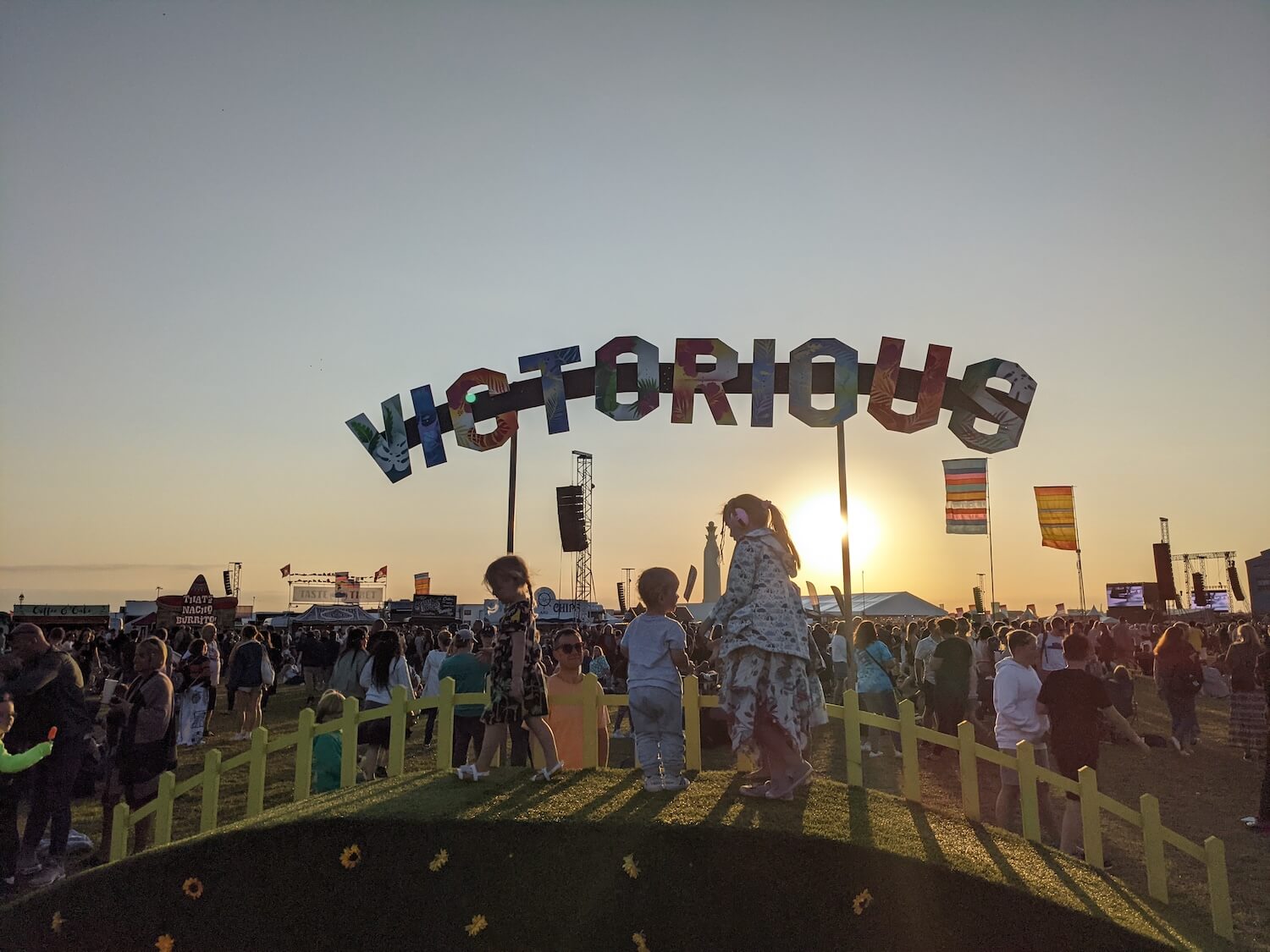
Surviving well does not require turning the weekend into a health retreat. It means protecting the few basics that keep fun from becoming endurance: sleep, water, food, feet, warmth and enough restraint on day one to still recognise yourself later.
Festival survival starts before the wristband
Do not begin the weekend already exhausted. Aim for consistent sleep during the week before, especially if travel requires an early start. You cannot store sleep like phone battery, but arriving rested gives you more room for the inevitable late nights.
Check the forecast more than once and pack for the temperature after sunset, not only the flattering version of the afternoon. Waterproof layers, warm socks, sun protection and a hat can all belong in the same bag. British festival weather contains multitudes.
Treat sleep as logistics, not a personality flaw
You do not need eight serene hours in a silent tent to benefit from rest. You do need a realistic setup. Use a supportive sleeping mat or camp bed, a sleeping bag suited to the overnight temperature and something between your head and a bundled hoodie.
Bring earplugs and an eye mask. Keep tomorrow’s warm layer within reach so you do not have to dismantle the tent at 4am. If your group plans to continue talking until sunrise, agree where the social area ends and the sleeping area begins.
A little comfort produces disproportionate returns. The person who slept for five decent hours is living in a different festival from the person who spent seven hours touching cold ground.
Do not spend the whole weekend on night one
The first evening has dangerous main-character energy. Everyone has arrived, the site is glowing and it seems reasonable to see every act, visit every bar and continue until the birds begin providing backing vocals.
Set one boundary before you start. It might be alternating alcoholic drinks with water, eating a full meal before the final headline set or choosing a time to return to camp. You can change the plan, but having one prevents the night being governed entirely by whoever shouts ‘one more’ most convincingly.
Pacing is not boring. It is how you get to enjoy the final headliner without staring through them like a haunted Victorian child.
Eat before hunger becomes an emergency
Festival hunger often appears suddenly because the day has no normal meal cues. By the time you notice it, the food queue is 40 minutes long and somebody in your group is close to tears over a missing portion of chips.
Eat a proper breakfast or early meal containing carbohydrates and protein. Carry simple snacks such as cereal bars, nuts if suitable for you, dried fruit or crackers. Have another substantial meal before the evening crowds peak.
Food hygiene still matters. Use reputable vendors, wash or sanitise your hands and do not keep perishable food warm in a tent all weekend.
Make water easy to remember
Carry a refillable bottle and learn where the drinking-water points are when you first arrive. Drink regularly, especially in hot weather or when dancing, rather than waiting until you feel awful.
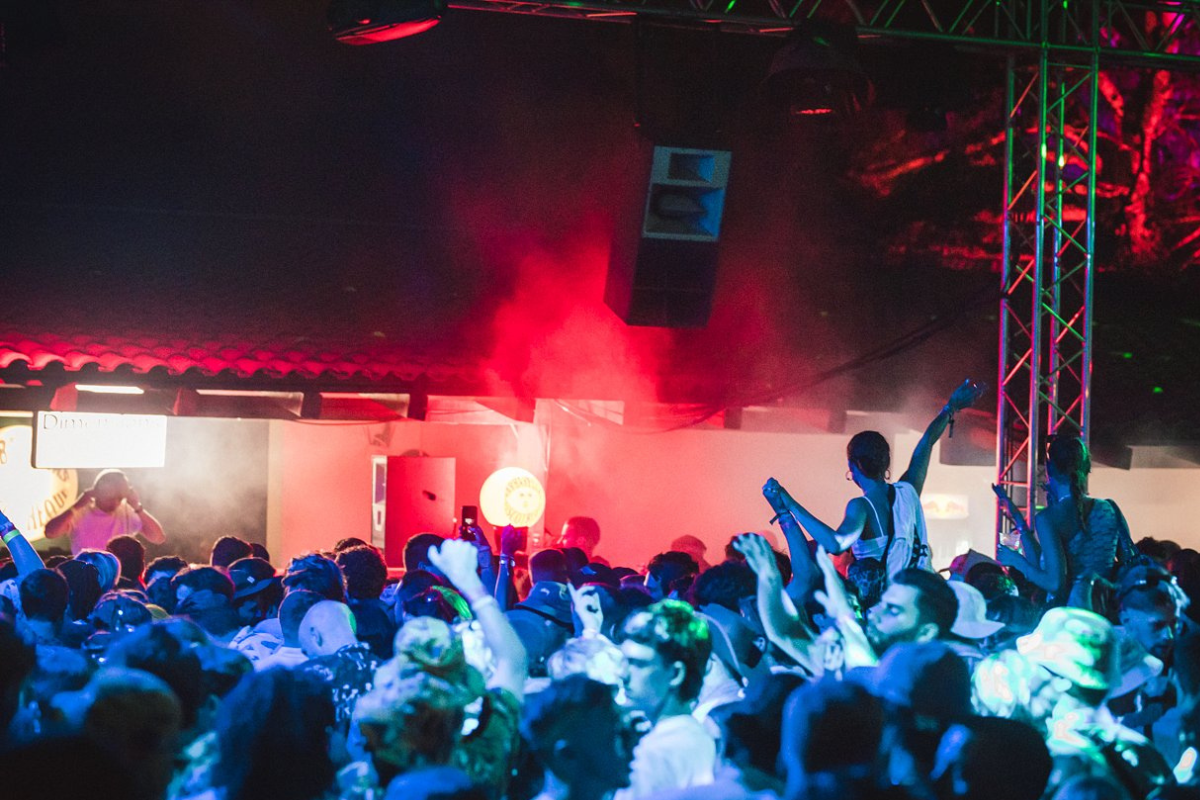
Alcohol can make it harder to judge how tired, hot or dehydrated you are. Alternate with water and do not rely on energy drinks to replace sleep. They may make you feel more alert temporarily while encouraging you to ignore what your body is asking for.
If you develop confusion, fainting, severe weakness, a racing heart that does not settle or signs of heat illness, go to the festival medical team. This is not the moment to let the group chat diagnose you.
Protect your feet before they become the headline
Wear shoes you have already broken in. Bring more socks than seems emotionally reasonable and change them when they become wet. Blister plasters work best when applied at the first hot spot, not after your heel has become an open letter of complaint.
Use sun cream on exposed skin and reapply it, even when the air does not feel very hot. Cloud and breeze can make strong sun easier to underestimate. A light waterproof layer also protects you from the particular misery of spending the evening in clothes that never quite dry.
Take small recovery breaks
You do not have to return to the tent for a formal nap. Sit somewhere shaded, eat, refill water and take your shoes off for a few minutes if the ground is clean and safe. A 30-minute reset can rescue the next six hours.
Choose which acts matter most and accept that you will miss something. Crossing the site repeatedly to collect fragments of every set often produces more walking and less music. A good festival schedule has gaps wide enough for being a person.
Set up your home recovery before you go
The post-festival version of you should not be asked to change sheets, shop for food or search for a clean towel. Prepare the bed, leave an easy meal ready and keep comfortable clothes where you can find them.
If your bed needs a comfort upgrade, a mattress topper for proper comfort can make the first proper sleep back home feel even more restorative. Shower, eat, drink water and go to bed at a sensible time rather than accidentally sleeping from 4pm until midnight.
Give yourself a quieter day after returning if possible. Laundry can run while you do very little else. That is not laziness; it is festival aftercare.
The day-three rule
When making any decision on the first two days, ask whether day-three you will be grateful or furious. Another drink, soaking your only warm clothes, skipping dinner and wearing brand-new boots all produce fairly clear answers.
The aim is not to emerge immaculate. You should be tired, slightly dusty and emotionally overinvested in a set you nearly missed. You just want the tiredness to feel earned rather than alarming. Protect the basics and you can spend the festival enjoying the chaos instead of being personally defeated by it.