
The Timeless Egypt Experience: From Landmarks to the Nile
Egypt is one of the rare destinations where history does not remain behind museum glass. It rises from the desert in the form of pyramids, stretches across temple walls in Luxor, fills the medieval lanes of Cairo, and continues to shape life along the Nile.
For international travelers, the best journey is rarely about ticking famous landmarks off a list. The most rewarding experience comes from balancing ancient history, local culture, private exploration, and moments of genuine relaxation.
This guide shows how to combine Cairo, Giza, Luxor, and Upper Egypt with the slower rhythm of river travel between Luxor and Aswan.
Designing Your Dream Journey Through Egypt
A successful itinerary starts with one important principle: Egypt rewards depth more than speed.
Cairo, Giza, Luxor, and Aswan each deserve enough time to be experienced properly. Instead of trying to see everything, focus on creating a journey that gives the most important destinations room to make an impression.
A customized Egypt Trip can make this much easier by combining comfort, flexibility, and expert planning.
Why a Customized Itinerary Makes a Difference
For couples, families, small groups, and luxury travelers, a tailored journey can include:
- Private airport and hotel transfers
- Experienced Egyptologist guides
- Flexible sightseeing schedules
- Carefully selected hotels
- Domestic flight coordination
- Private cultural experiences
- Additional time at major archaeological sites
- Optional Red Sea or desert extensions
The result is a smoother journey with less time spent managing logistics and more time enjoying the destination.
Begin with Cairo and Giza
Cairo introduces travelers to Egypt’s extraordinary contrasts. Historic districts, major museums, Islamic architecture, lively markets, and modern city life exist side by side.
A strong Cairo itinerary might include:
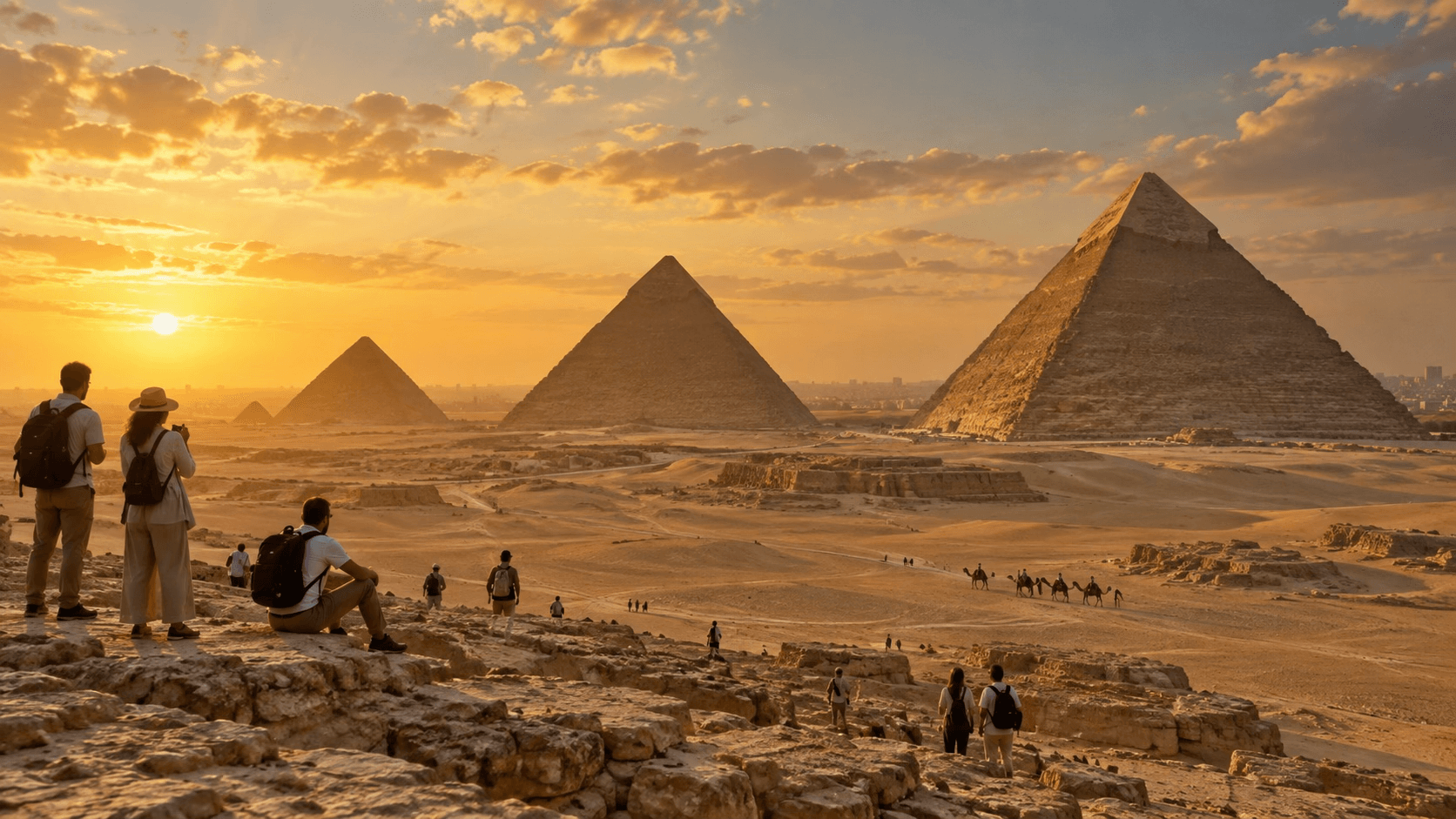
- The Giza Pyramids and Great Sphinx
- A major Egyptian museum
- Historic Islamic Cairo
- Khan El Khalili
- A relaxed Nile-side dinner
- Selected local food experiences
The Giza Plateau deserves particular attention. Standing beside the Great Pyramid of Khufu creates a sense of scale that photographs cannot fully communicate.
A private guide adds historical context while helping travelers explore the plateau without feeling rushed.
Experience Luxor at a Slower Pace
Luxor offers one of the world’s richest concentrations of ancient monuments.
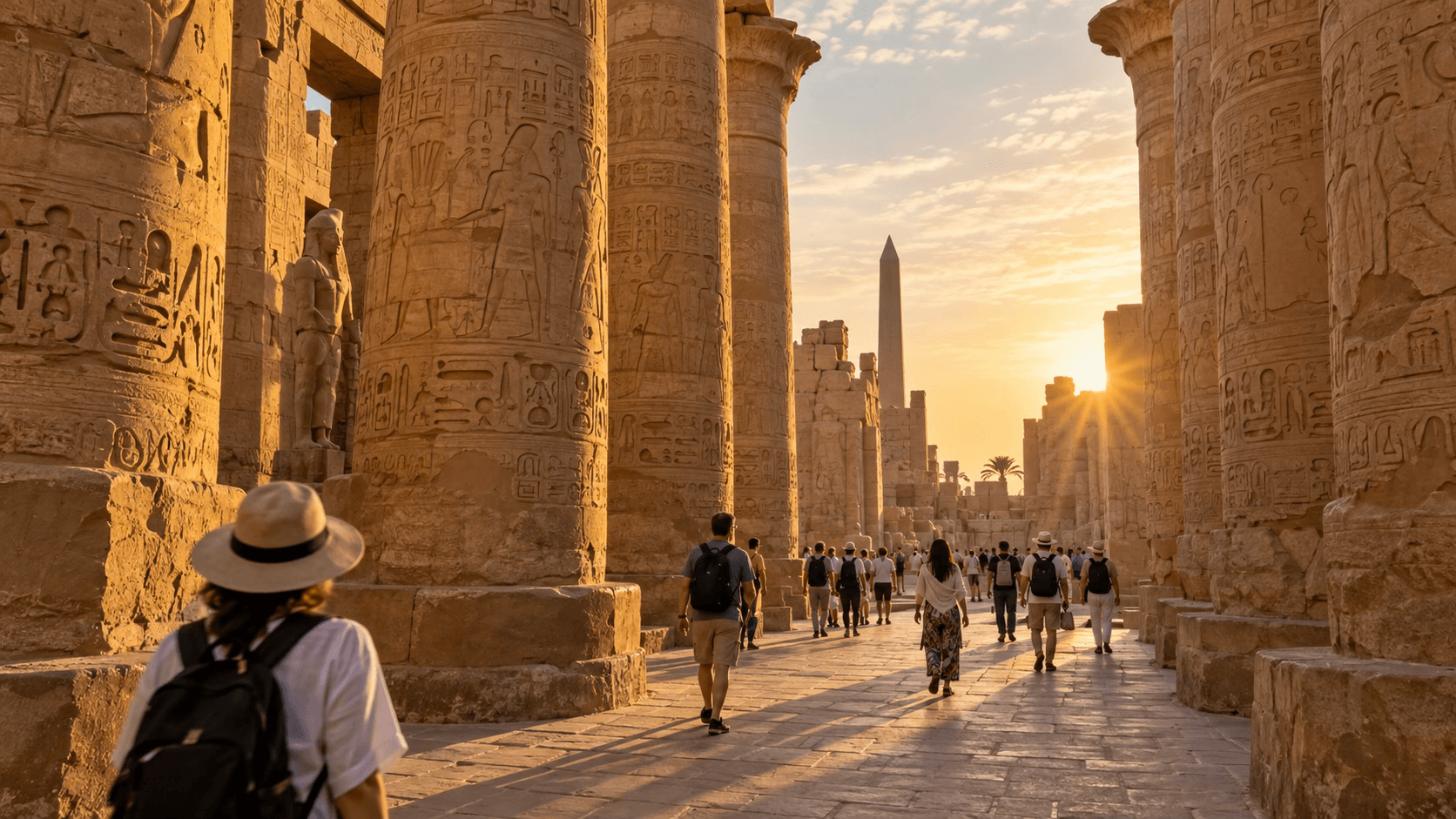
On the East Bank, Karnak Temple reveals monumental columns, obelisks, sanctuaries, and courtyards built across centuries of pharaonic rule. Nearby Luxor Temple becomes especially atmospheric toward sunset.
Across the Nile, the West Bank offers a different experience.
Highlights include:
- Valley of the Kings
- Temple of Hatshepsut
- Colossi of Memnon
- Decorated royal tombs
- Ancient workers’ and nobles’ tombs
For a more comfortable trip, visit major archaeological sites early in the day and reserve the afternoon for a hotel terrace, spa, private lunch, or slower local exploration.
Why a Nile cruise is the Heart of an Egyptian Holiday
After the energy of Cairo and the archaeological intensity of Luxor, the Nile introduces a completely different rhythm.
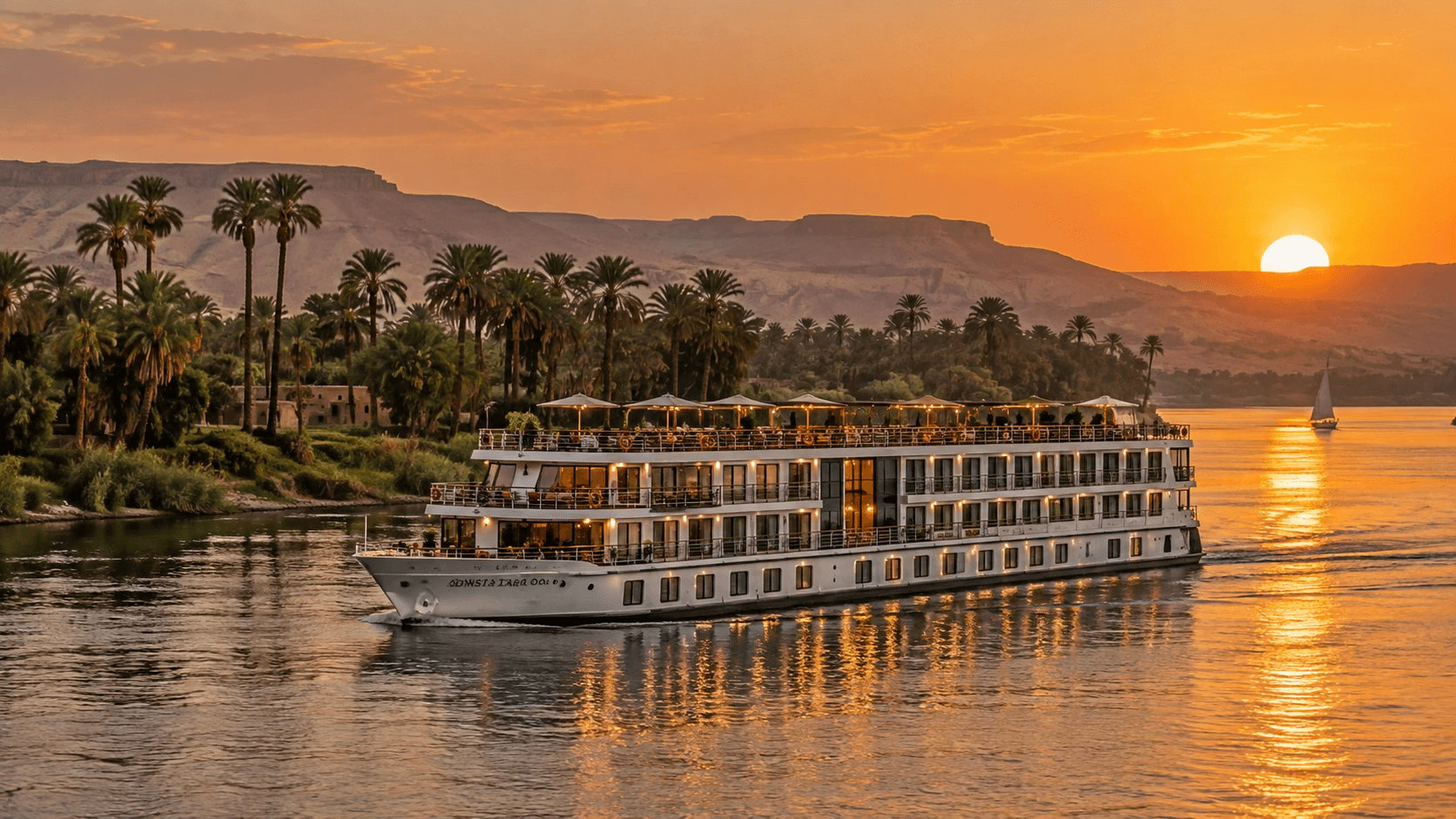
A Nile cruise between Luxor and Aswan allows travelers to combine sightseeing with relaxation while moving through the historic landscapes of Upper Egypt.
Instead of repeatedly changing hotels, guests can unpack once and travel gradually between some of Egypt’s most important archaeological sites.
What You Can Experience Along the Nile
A classic Luxor-to-Aswan journey typically includes:
- Karnak and Luxor temples
- Valley of the Kings
- Edfu Temple
- Kom Ombo Temple
- Philae Temple
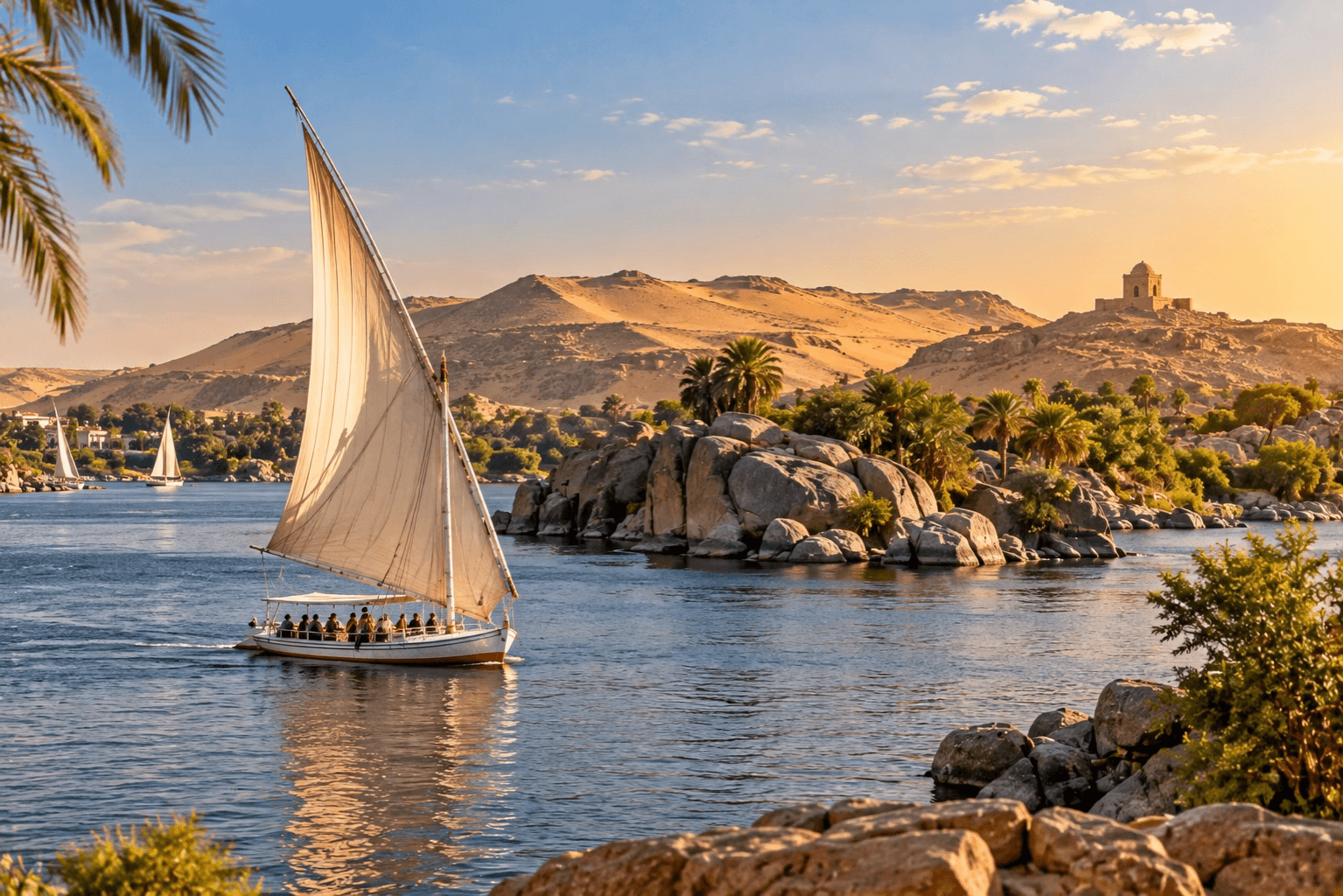
- Aswan’s granite islands
- Traditional felucca sailing
The route also reveals another side of Egypt.
From the deck, travelers can watch:
- Palm groves
- Farming villages
- Desert cliffs
- Traditional boats
- Small riverside communities
- Changing colors at sunset
Temples Along the River
Edfu Temple is one of the best-preserved temples in Egypt. Dedicated to Horus, it features monumental gateways and richly decorated walls that provide valuable insight into ancient Egyptian religious life.
Further south, Kom Ombo Temple stands directly beside the river. Its unusual double design makes it one of the most distinctive stops between Luxor and Aswan.
Aswan provides a fitting conclusion, where Philae Temple, granite formations, quiet islands, and traditional feluccas create a noticeably slower atmosphere.
Luxury Beyond the Sightseeing
The real luxury of river travel often comes between excursions.
It may mean:
- Breakfast overlooking the Nile
- Relaxing beside the onboard pool
- Reading on a private balcony
- Afternoon tea on deck
- Watching sunset over palm-lined villages
- Dining as the riverbanks disappear into the evening
Modern luxury vessels can include spacious cabins, panoramic lounges, fine dining, spas, pools, and private balconies.
Travelers seeking a more intimate experience may prefer a boutique vessel or traditional-style dahabiya with fewer guests and a slower sailing pace.
Essential Travel Tips for International Visitors
Good preparation can make a major difference to the quality of an Egypt journey.
Understanding the climate, cultural expectations, and daily travel rhythm helps visitors enjoy the country with greater comfort and confidence.
Choose the Right Time to Visit
October through April is generally the most comfortable period for cultural sightseeing, particularly in Luxor and Aswan.
Travelers should keep in mind:
- October can still feel warm in Upper Egypt
- December through February brings cooler mornings and evenings
- Spring remains pleasant but temperatures gradually rise
- Christmas and New Year are high-demand travel periods
- Popular cruise cabins and hotels should be reserved early
Layered clothing is useful during winter because temperatures can change considerably between morning and afternoon.
Pack for Comfort
Archaeological sightseeing often involves sand, stone pathways, stairs, and long periods outdoors.
Useful items include:
- Comfortable walking shoes
- Lightweight breathable clothing
- A light jacket for winter evenings
- Sunglasses
- Sun protection
- Hat or head covering
- Reusable water bottle
- Small day bag
Even during the cooler season, the Egyptian sun can remain strong.
Respect Local Culture
Egypt is welcoming to international visitors, but cultural awareness can make interactions more meaningful.
A few simple practices help:
- Dress modestly when visiting religious sites
- Ask permission before photographing people
- Approach bargaining with patience and humor
- Respect prayer spaces and local customs
- Take time to interact with local communities
Markets such as Khan El Khalili are not simply shopping destinations. They are social spaces where conversation, craftsmanship, cafés, and local traditions all form part of the experience.
Build Comfort into the Journey
Private transportation can simplify movement through Cairo and between archaeological sites.
An experienced guide can also help with:
- Historical interpretation
- Site timing
- Entrance arrangements
- Local transportation
- Avoiding unnecessary delays
- Adjusting the itinerary when needed
Most importantly, avoid filling every hour.
Some of the best moments in Egypt happen between scheduled attractions.
How to Balance Culture and Luxury
Luxury travel in Egypt does not have to mean separating yourself from the destination.
The best experiences combine comfort with genuine cultural connection.
A balanced itinerary might include:
- Private guided archaeological visits
- Boutique or luxury hotels
- Traditional Egyptian dining
- A premium Nile journey
- Felucca sailing
- Local market visits
- Nubian cultural experiences
- Time for spas, pools, and relaxation
This combination prevents the journey from becoming exhausting while still preserving the sense of discovery that makes Egypt extraordinary.
Creating a Journey That Feels Timeless
The most meaningful Egypt experience is built around contrast.
It is the contrast between the scale of the pyramids and the intimacy of a decorated tomb, between Cairo’s energy and the calm of the Nile, and between monumental temples and quiet riverside villages.
Rather than measuring a trip by the number of attractions visited, focus on how deeply each place is experienced.
Give yourself time to stand beneath Karnak’s giant columns, watch sunset from the Nile, wander through a historic market, or simply sit on deck as Upper Egypt passes slowly by.
A thoughtfully planned journey brings together:
- Ancient history
- Local culture
- Comfortable travel
- Private experiences
- River landscapes
- Moments of rest
When these elements are balanced well, Egypt becomes more than a destination filled with famous monuments.
It becomes a journey through one of the world’s oldest civilizations, experienced with the comfort, flexibility, and depth that modern travelers increasingly value.