
What to Know Before Renting a Vehicle Abroad
You can tell a rental counter is going to be slow within thirty seconds of walking in. There is a queue, the forms look endless, and tired travellers start arguing about names. That is usually when small mistakes begin, and they cost money later.
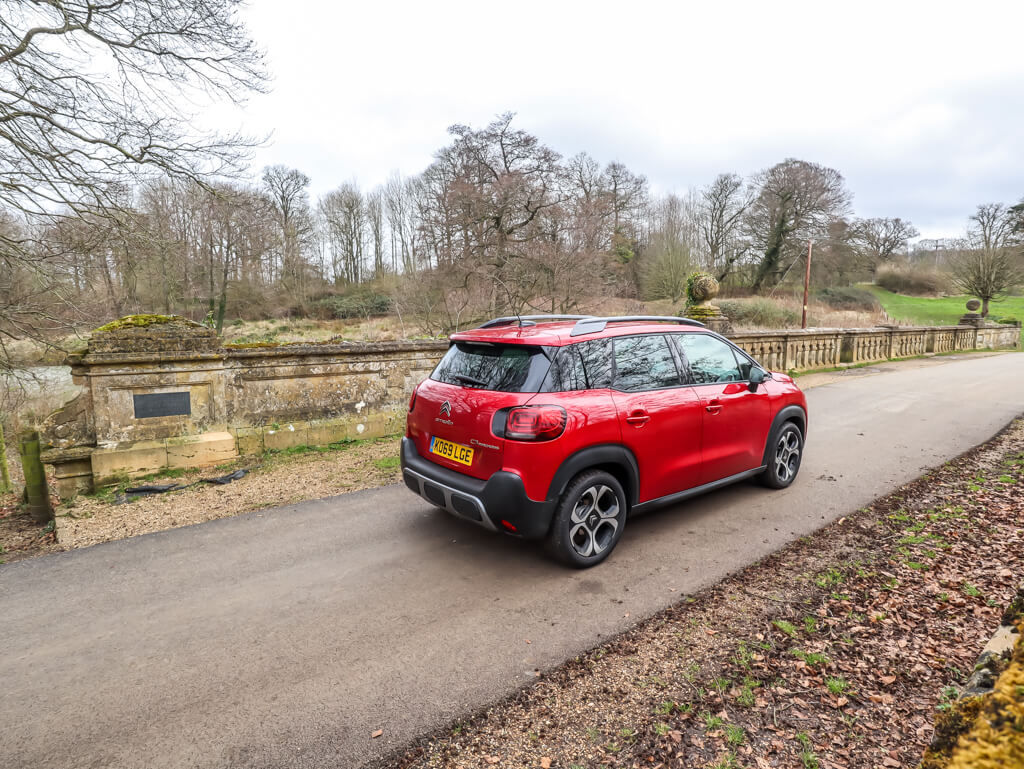
Most rental issues are avoidable with a short checklist before you land. The same habits also help with home trips, including Brisbane hires from https://www.eastcoastcarrentals.com.au/car-hire/brisbane/. You are not trying to “win” the deal, you are trying to remove surprises.
Choose The Vehicle And Terms That Match Your Plan
Start with your route and your real driving day, not the price shown on page one. Mountain roads, gravel access lanes, and tight city parking all change what feels safe. A compact car can be perfect, but only if it fits your bags and passengers.
Manual cars can cost less, but they can also add stress after a long flight. Automatics sell out fast in many places, so book early if you need one. If you are travelling with friends, check luggage space before you commit.
Before paying, read the terms as if you are looking for ways it can go wrong. Focus on mileage limits, extra driver rules, and cross border limits. Some contracts ban ferries, unsealed roads, or travel into nearby countries.
Questions worth checking before you book:
- Is there a mileage cap, and what is the cost per extra kilometre?
- Can you take the car to another country, and is that written in the contract?
- What is the fuel policy, and what counts as a “full” tank at return?
Pickup and drop off times matter more than people expect, since days are often billed in blocks. A flight delay can push you into a new day fee, even if you drive away late. If your plan is uncertain, choose terms with flexible changes.
Documents, Licences, And Border Rules To Confirm Early
Your passport name and your licence name must match, character for character, in many places. If you have two surnames, check how your airline and licence display them. A mismatch can trigger extra checks, or a refusal at the desk.
Many countries require an International Driving Permit, even if staff do not ask every time. Rules differ by destination, so confirm before travel through an official source like Smartraveller’s guidance on driving overseas. If an IDP is required, get it before you leave home.
Bring a credit card in the main driver’s name, since many firms will not accept debit cards. Even when debit is accepted, the rules often change the deposit amount. If your group will share driving, add extra drivers at pickup so you stay covered.
If you plan to cross borders, check three things in writing: permission, insurance coverage, and roadside support range. Some countries require a vignette, toll tag, or border permit paid in advance. Keep printed copies of permission letters, since phone signal is not reliable.
Insurance, Deposits, And The Fees People Miss
Insurance is where “cheap” rentals turn expensive, so slow down and read the layers. Most contracts include a basic policy with a high excess, plus exclusions. The gap is what you pay if anything happens.
Think of coverage in three parts, then decide what you need for your risk level:
- Collision damage cover and theft cover, which reduces what you pay after damage.
- Liability cover, which protects you if you injure someone or damage property.
- Extras like tyres, glass, underbody, and roadside, which are often excluded.
Ask how the deposit is held, and when it is released after return. A large hold can block your travel budget for meals and hotels. If the desk cannot explain the release timeline, that is a warning.
Also watch for add ons that appear small but stack up fast. “Airport fees,” “location surcharges,” and “admin fees” can sit outside the base rate. If a company is clear about pricing and support, it is easier to compare, and that is why travellers often value plain terms and 24 7 roadside support.
Driving Rules That Catch Visitors Out
Local road rules can feel familiar, then surprise you at the first roundabout or school zone. Research the common traps before you collect the keys, not after the first horn. Pay close attention to lane rules, right of way, and speed sign formats.
Some places have strict rules about phone mounts, child seats, and reflective vests. Others require you to carry warning triangles or spare bulbs. Check the local government guidance for your destination, such as the UK’s advice on driving abroad.
Learn how tolls work before you hit a motorway, since mistakes can trigger fines later. Some countries use toll booths, while others use camera based systems with online payment. Ask the desk if the car has a tag, and whether the tag carries admin fees.
Parking can be the hardest part of city driving, and tickets can land weeks after you fly home. Look for colour coded curb markings and time limits, since signage varies. When unsure, choose a paid garage with a receipt, and keep the ticket.
Return Day Checks That Protect Your Budget
Return day is when most disputes start, because everyone is rushing. Give yourself time to refuel, clean obvious sand, and take photos in good light. A ten minute buffer can save you a long email chain later.
At pickup and return, take a slow walk around the car and record a video. Capture the roof, wheels, windscreen, and the dashboard mileage and fuel gauge. If staff mark damage, ask them to show you on the diagram while you watch.
Keep every receipt, especially fuel, tolls, and parking, until the final charge settles. If you used a toll tag, ask for a breakdown of tolls and admin charges. If you prepaid fuel, confirm the policy, since “full to empty” deals can be poor value.
The goal is simple, reduce unknowns before you sign, and document what you receive and return. When you do that, renting abroad becomes a useful tool instead of a stress point. You get more freedom, and fewer after trip surprises.