
Why Eastern European cities are Becoming Increasingly Popular with European travellers
While many European travellers have been visiting classic destinations such as Paris, Rome or Barcelona for years, cities in Eastern Europe are increasingly coming into the spotlight. Good flight connections, a diverse cultural scene and comparatively short journey times make many of these destinations attractive for weekend breaks and longer stays.
Good flight connections make travel planning easier
For many travellers, a successful trip begins with a hassle-free journey there. Anyone wishing to compare different international connections will find numerous flight options within Europe and beyond with Air France.
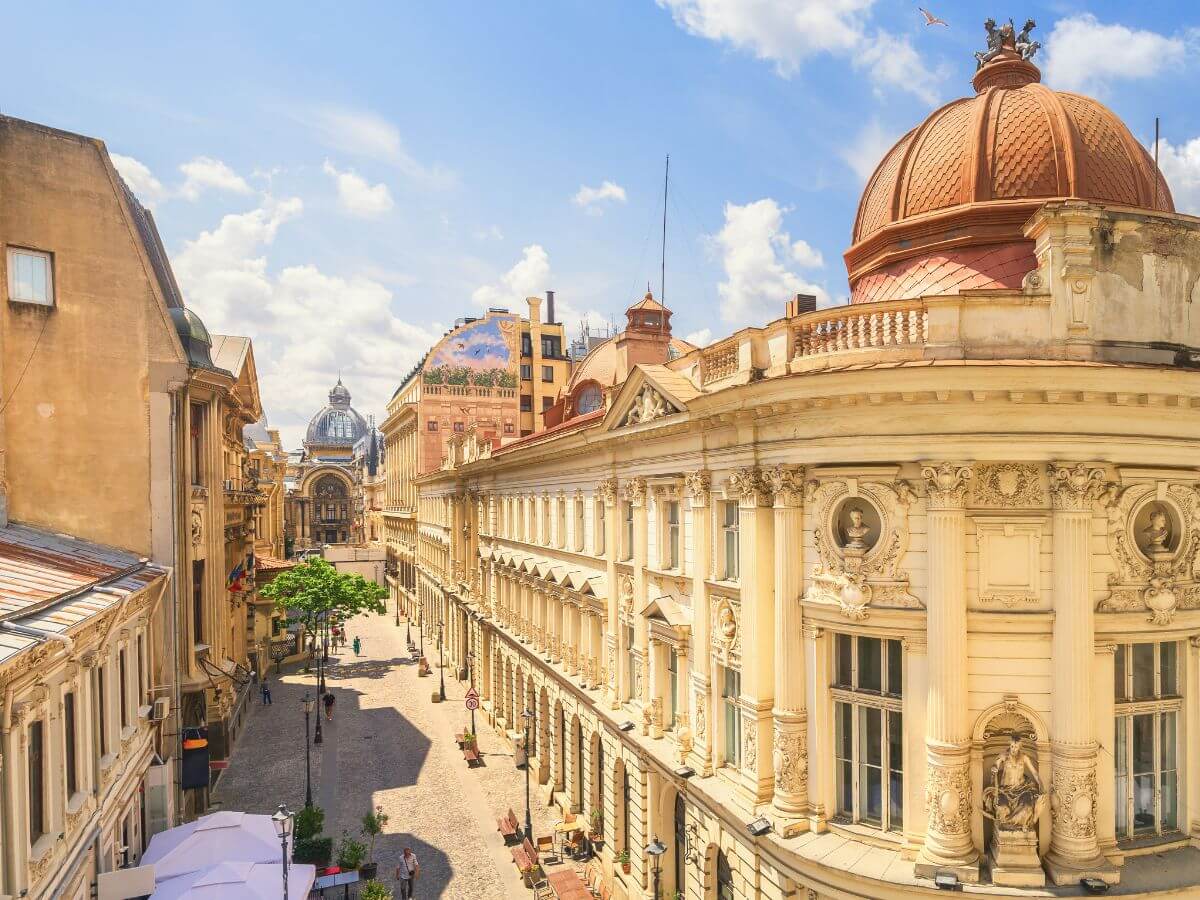
Many travellers are beginning to explore flights to Bucharest not only for business purposes, but also as a gateway to one of Eastern Europe’s most interesting city-break destinations. The Romanian capital combines historic architecture with modern neighbourhoods, museums, green spaces and a vibrant food and drink scene. Thanks to its strong connections with airports across Europe, Bucharest is easy to reach and increasingly popular among holidaymakers looking to venture beyond the continent’s more traditional tourist hotspots.
Cities with history and a modern urban lifestyle
Eastern Europe offers a remarkable variety of travel destinations. Many cities combine historic sights with a vibrant cultural scene, modern infrastructure and an exciting culinary scene. For travellers keen to discover new destinations, it’s worth looking beyond the well-known classics.
Bucharest, Romania
Bucharest is often referred to as the ‘Little Paris of the East’. The city combines magnificent buildings from the Belle Époque with modern architecture and a dynamic cultural scene. Among the best-known sights are the Palace of Parliament, the Lipscani Old Town and the sprawling King Michael I Park. In addition, the Romanian capital boasts numerous museums, theatres and cafés.
Budapest, Hungary
Budapest has been one of Europe’s most popular city break destinations for years. The Hungarian capital stretches along both banks of the Danube and impresses with its Castle District, the Parliament Building and the famous thermal baths. Particularly in the evening, the illuminated riverside promenade offers a stunning view of the city.
Prague, Czech Republic
The Czech capital attracts visitors with its well-preserved Old Town, Charles Bridge and Prague Castle. Narrow alleyways, historic squares and numerous cultural events lend the city a special character. At the same time, Prague boasts a modern dining scene and a wide range of shopping opportunities.
Krakow, Poland
Krakow is one of Poland’s oldest and most beautiful cities. Around the Rynek Główny market square, visitors will find historic buildings, restaurants and small shops. Wawel Castle and the former Jewish quarter of Kazimierz are among the city’s best-known sights.
Riga, Latvia
The Latvian capital is particularly impressive for its Art Nouveau architecture, which ranks among the most significant in Europe. The Old Town is a UNESCO World Heritage Site and, with its winding alleyways, invites visitors to explore. At the same time, Riga is increasingly becoming a popular destination for culture lovers and city breakers.
Tallinn, Estonia
Tallinn combines medieval charm with modern technology. The historic Old Town, with its city walls and towers, is one of the best-preserved in Europe. At the same time, Estonia is regarded as one of the most digitally advanced countries in Europe, a fact that is also reflected in the city’s modern skyline.
Travel tips for planning a trip to Eastern Europe
Anyone who travels regularly within Europe often benefits from making use of the information provided by airlines. Many airlines keep their customers informed about new routes, seasonal services, changes to flight schedules or special travel offers.
With airlines such as Air France, for example, it can be worth creating a customer account or subscribing to the newsletter. This way, travellers receive up-to-date information on connections within Europe and can find out well in advance about travel options to Bucharest, Budapest, Prague or other Eastern European cities.
When planning city breaks in particular, having an early overview of available flight connections helps to make itineraries more flexible and to combine several destinations.