
Around the Table: Exploring Global Eating Etiquette
There’s something transformative about sitting down to eat in another country for the first time.
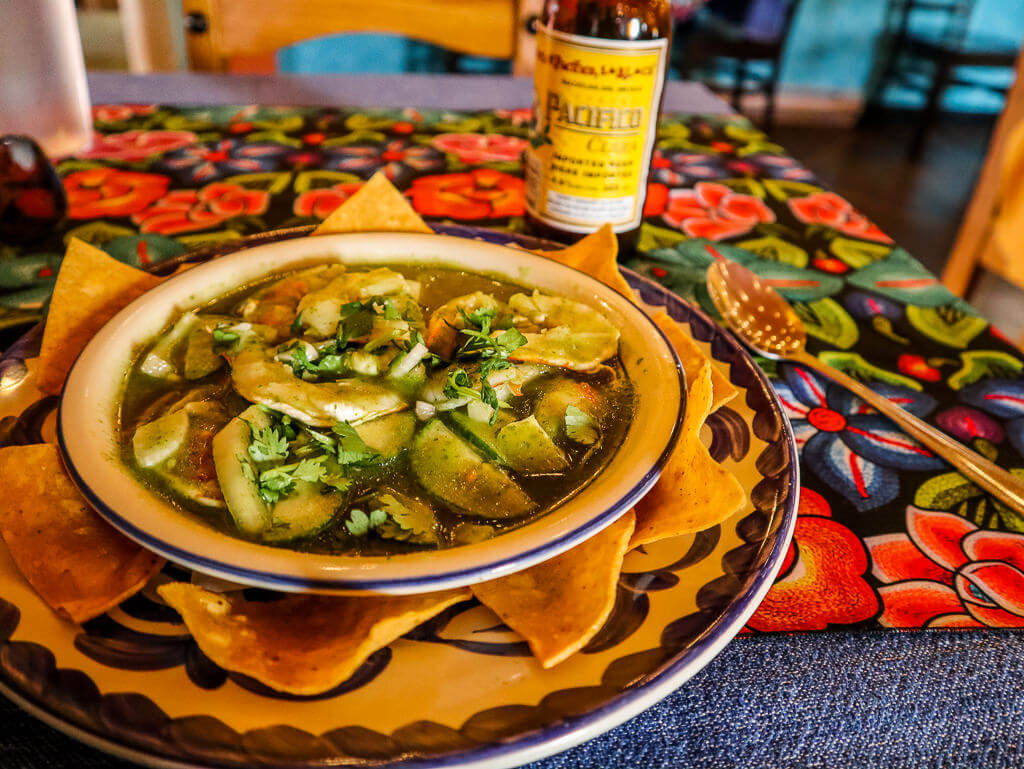
Every place has its unwritten rules. Some require politeness and grace, and others offer a permission slip for deviation and fun. But what happens when you commit a faux pas, and you are not really even aware of it? Eating manners may be a minor argument, but it is essential when you travel the world.
Asia: The Art of Respectful Dining
Throughout many of Asia’s largest cities, food is an ensemble of meaning, balance, and presence. Tokyo is no exception. Every movement at the table matters. You show respect to the chef by picking up the bowl of rice, holding it near your mouth, and scooping. But never spear your chopsticks in an upright position; it mimics a funeral ritual. On the other hand, it is encouraged to slurp noodles — no need for caution, as it is considered the sound of appreciation, telling the host that the food is delicious.
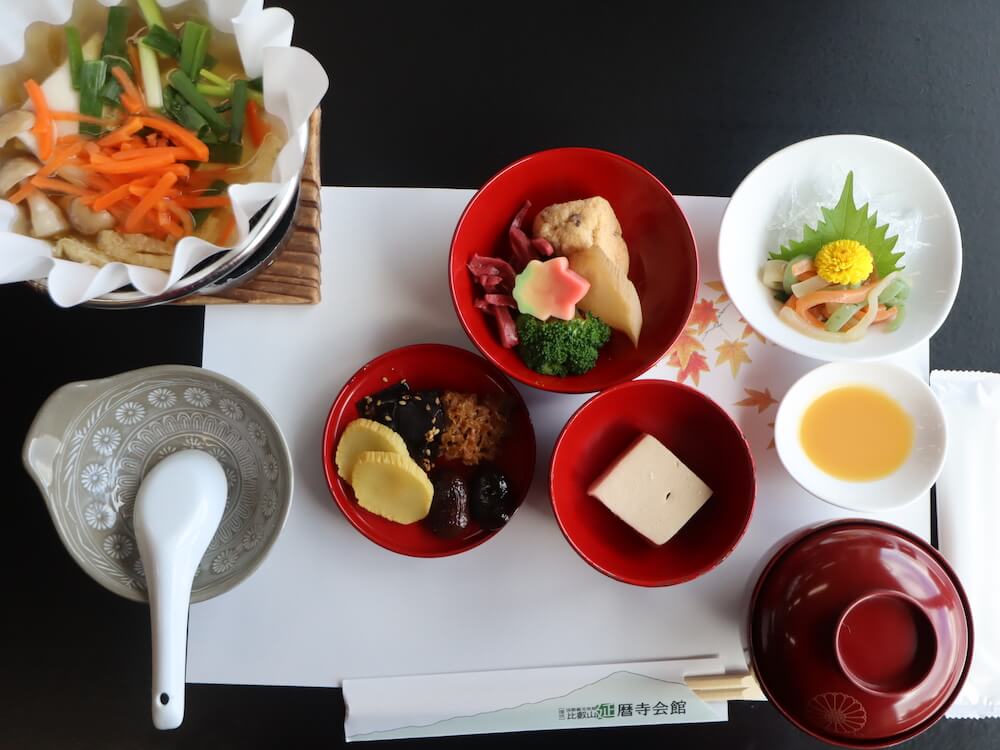
Thailand has its unique dining etiquette. It is considered rude to leave food on your plate, but you should not help yourself to additional items from a communal plate without first asking if anyone else would like the dish. In China, a small amount of food left on your plate is a show of generosity from your host; eating everything is a sign that he did not provide enough food for you. The eldest or most revered guest at a dinner party should generally go first.
Taking a Culinary Backstreets food walk in Tokyo is an excellent way to learn about their customs. Instead of reading about it in a guidebook, you get to learn it firsthand while enjoying a bowl of street-side ramen with Tokyo-ites, watching them pour soy sauce sparingly, or listening to the melody of the chef’s sushi-making method. It makes dinner a lesson in manners.
Mexico: The Warmth of Shared Plates
Travel to Mexico City, and the vibe around food is totally different. Meals there bustle with sounds of enjoyment and conviviality. No need to hold back; in Mexico, eating food is never quiet.
In Mexico, nobody minds it if you dig into the food right away. Just don’t forget to say “hello” before you begin; it’s offensive to begin your meal without acknowledging the people around you. Eating with your hands is the norm, and drowning your taco in lime juice or salsa is more likely to elicit eye-rolls.
With food tours by Culinary Backstreets in Mexico City, you learn these rules through experience. You see diners at a taquería perfect that taco fold and see them as they take that first, glorious bite. Table manners come to you the same way flavors from street food: organically and gloriously.
The Art of Balance in Bangkok
Then there’s Bangkok, where eating is everything about balance and respect. Here, dishes are shared, and everything on the table goes together; sweet with savory, salt with sour. The rice is central, but don’t put too much on your plate at once. Instead, take a little bit and go back for more.
Setting the fork into the mouth in Thailand is considered rude. The easiest way to eat? The spoon does the heavy lifting, and the fork is used to help guide. There are other things to keep an eye on around the table with Thai, such as waiting for the oldest in the group to take their first bite or serve others first.
Culinary Backstreets Bangkok walks you through these traditions, engaging travelers around the table, sometimes over a fragrant curry. You come to understand that there’s solemn intent behind each small rule of politeness: showing respect for others, for taste, and, above all, for the act of sharing.
Across Cultures, Around the Table
What ties these diverse traditions together is that they all represent their culture’s values. Slurping in Japan means you like the food; no second helping means you’re a polite guest; hanging out at the table long after you’re finished means you think the relationship is more important than whatever you have to do afterward. The way to navigate these differences is to come to them as a cultural relativist.
So, the next time you venture beyond your borders, take a moment to observe. The way locals clink glasses. The way they hesitate slightly before digging in. The way they eagerly pass the dishes. In these small shared moments, the story of their lives will reveal itself.