
How Much Does a European Road Trip Cost? A Realistic Budget Breakdown for 2026
There’s a moment on almost every European road trip where you realise the budget you planned at home was wildly optimistic.
Usually it happens somewhere on a French motorway.
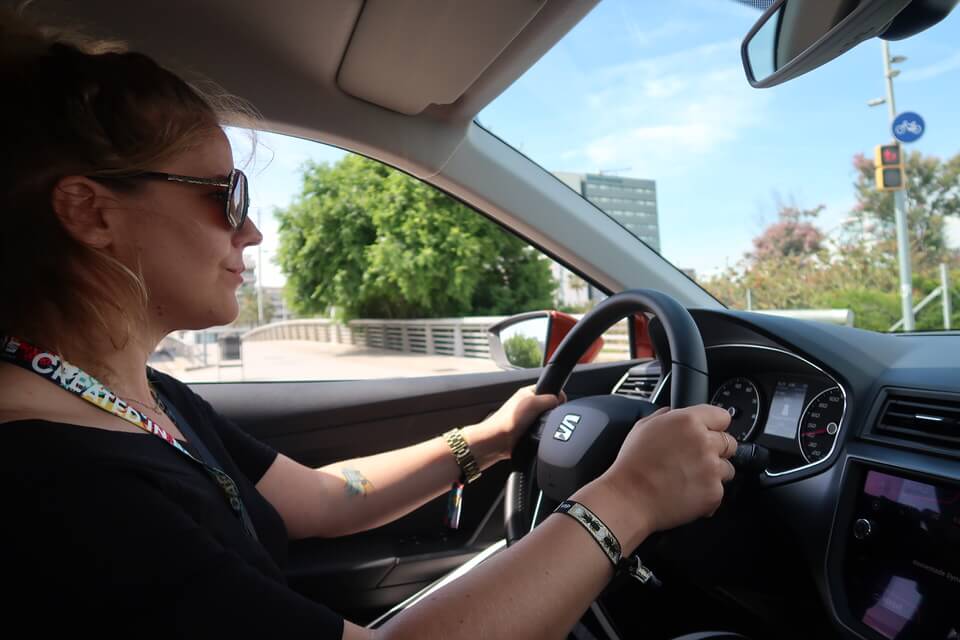
You stop for fuel, pay another toll fee you didn’t expect, grab two coffees and a sandwich at a service station, and suddenly €70 disappears in under twenty minutes.
Driving through Europe can absolutely be done on a reasonable budget, but only if you understand where the money actually goes. Fuel is only part of the story. Tolls, vignettes, parking, accommodation, route choices and even the countries you drive through can dramatically change your total spend.
After several long-distance road trips across Europe, I’ve learned that the cheapest journeys are rarely about spending less day-to-day. They’re about avoiding expensive mistakes before the trip even starts.
So, How Much Does a European Road Trip Actually Cost?
For most travellers, a realistic European road trip cost falls somewhere between:
- Budget trip: €70–€120 per day
- Mid-range trip: €150–€250 per day
- Comfort-focused trip: €300+ per day
That’s for two people travelling together and splitting costs.
The total depends heavily on:
- fuel prices;
- toll roads;
- accommodation style;
- how many countries you visit;
- parking fees;
- vehicle type;
- travel season;
- route planning.
A campervan trip through the Balkans looks very different financially from driving through Switzerland and northern Italy in peak summer.
Fuel Costs Add Up Faster Than Most People Expect
Fuel is still one of the biggest expenses when driving in Europe, especially if you’re covering long distances.
And prices vary massively between countries.
Average Fuel Costs Across Europe
Here’s a rough comparison:
| Country | Fuel Cost Level |
| France | High |
| Italy | Very High |
| Switzerland | High |
| Germany | Moderate |
| Austria | Moderate |
| Croatia | Moderate |
| Romania | Lower |
| Bulgaria | Lower |
France toll roads are expensive enough already, but motorway fuel stations there can make things even worse. Sometimes the difference between motorway fuel and local stations is €0.20–€0.30 per litre.
Over a multi-country trip, that matters.
On a recent drive from the UK through France, Austria, Slovenia and Croatia, fuel alone ended up costing just over €600 for roughly 4,500 kilometres of driving.
The biggest money saver wasn’t driving less. It was being smarter about where I refuelled.
Europe Toll Roads Can Quietly Destroy Your Budget
People often underestimate how expensive Europe toll roads can become over time.
France is the obvious example.
The roads are excellent, smooth and fast, but they come at a price. A long drive from Calais to the south coast can easily cost over €80 in tolls one way.
Italy can be similar.
Then there’s the vignette system used in countries like Austria, Hungary, Romania and Bulgaria.
Instead of paying at toll booths, you buy a digital or physical permit that allows motorway use for a set period.
It sounds simple until you forget one.
Fines for missing vignettes can be painfully expensive compared to the original cost.
Before crossing into Austria last year, I used Tollhopper to check motorway fees, compare route costs and make sure I had the correct vignette before entering the country. It probably saved me more money than almost anything else on the trip simply because there were no surprise charges later.
That’s really the difference with driving in Europe. The costs themselves are manageable. Unexpected costs are what hurt.
Parking Is Often Worse Than Fuel
Nobody plans their road trip budget Europe calculations around parking.
They should.
Parking in European cities can become ridiculous surprisingly quickly.
In places like Amsterdam, Paris, Milan or Dubrovnik, you can easily spend:
- €25–€50 per day on parking;
- additional hotel parking charges;
- environmental zone fees;
- campervan overnight restrictions.
Historic cities are particularly difficult because streets were never designed for modern traffic volumes.
The easiest way to save money is usually staying outside city centres entirely.
A hotel 20 minutes outside a major city with free parking often works out dramatically cheaper than central accommodation plus parking fees.
Public transport across Europe is usually good enough that this approach barely affects the experience.
Accommodation Changes the Entire Budget
Accommodation is where European road trip costs become flexible.
You can spend:
- €15 on a campsite;
- €40–€70 on budget apartments in Eastern Europe;
- €120+ on mid-range hotels in France or Italy;
- €250+ in peak tourist destinations.
A lot depends on timing.
Summer road trips are significantly more expensive almost everywhere in Europe. Coastal regions become particularly painful between June and August.
Travelling in shoulder season changes everything.
September is probably the sweet spot:
- lower accommodation prices;
- fewer crowds;
- pleasant driving conditions;
- easier parking;
- less motorway traffic.
The Hidden Costs Most Travellers Forget
The smaller expenses are usually what push budgets over the edge.
People plan for fuel and accommodation but forget about everything in between.
Common Hidden Driving Expenses
- tunnel fees;
- ferries;
- low-emission zone charges;
- overnight parking;
- motorway food;
- border insurance requirements;
- mobile data roaming;
- tyre punctures or repairs;
- emergency accommodation changes.
Motorway service stations deserve special mention because they quietly destroy budgets.
A quick food stop for two people in France or Switzerland can easily cost €30–€40 without alcohol.
After a few weeks on the road, that becomes substantial.
Budgeting Mistakes That Make Europe More Expensive
After enough road trips, certain patterns become obvious.
Trying to Visit Too Many Countries
This is probably the biggest mistake people make.
The more countries you cram into a route:
- the more fuel you burn;
- the more toll systems you encounter;
- the more parking fees you pay;
- the more exhausting the trip becomes.
Slower itineraries are almost always cheaper and more enjoyable.
Driving Only on Fast Motorways
Fast routes usually mean expensive routes.
Sometimes avoiding toll-heavy motorways saves a surprising amount without adding much extra time.
Scenic regional roads are often better anyway.
Not Researching Local Rules
Driving regulations vary constantly across Europe.
Some cities require emissions stickers. Some countries require safety kits in the car. Others have strict speed camera enforcement.
Small fines quickly become expensive travel memories.
Practical Travel Budget Tips That Actually Help
A few habits make a major difference on longer road trips.
Avoid Motorway Fuel Stops
Fuel away from major motorway routes whenever possible.
The savings add up quickly.
Shop at Supermarkets
Buying snacks, water and simple meals from supermarkets instead of service stations cuts daily costs dramatically.
Especially in France, Italy and Switzerland.
Plan Parking Before Arrival
Nothing wastes time and fuel like circling a European city searching for parking.
Always check this beforehand.
Don’t Overdrive
Long driving days lead to expensive decisions:
- last-minute hotels;
- overpriced motorway food;
- fatigue-related mistakes;
- unnecessary toll usage.
Shorter days are cheaper and far less stressful.
Is a European Road Trip Worth the Cost?
Honestly, yes.
Even with rising fuel prices and expensive toll systems, road tripping remains one of the best ways to experience Europe properly.
You see places trains skip entirely. You stop in random villages. You change plans mid-route. You discover parts of countries that never appear on social media itineraries.
But the travellers who enjoy it most are usually the ones who planned realistically from the start.
Because once you understand the real Europe travel costs involved in driving across the continent, you stop feeling surprised by every expense.
And that’s when the trip actually becomes enjoyable.