
Mapping the Inner Journey: How the Camino de Santiago Turns Ordinary Walking into Personal Transformation
Have you ever wondered why something we do every day without even thinking about it, like walking, can sometimes change some people forever? That’s the mystery of the Camino de Santiago. I’m sure that you have heard a pilgrim before saying, “I’m not the same person I was when I started”, and that’s exactly what attracts so many people to this journey.
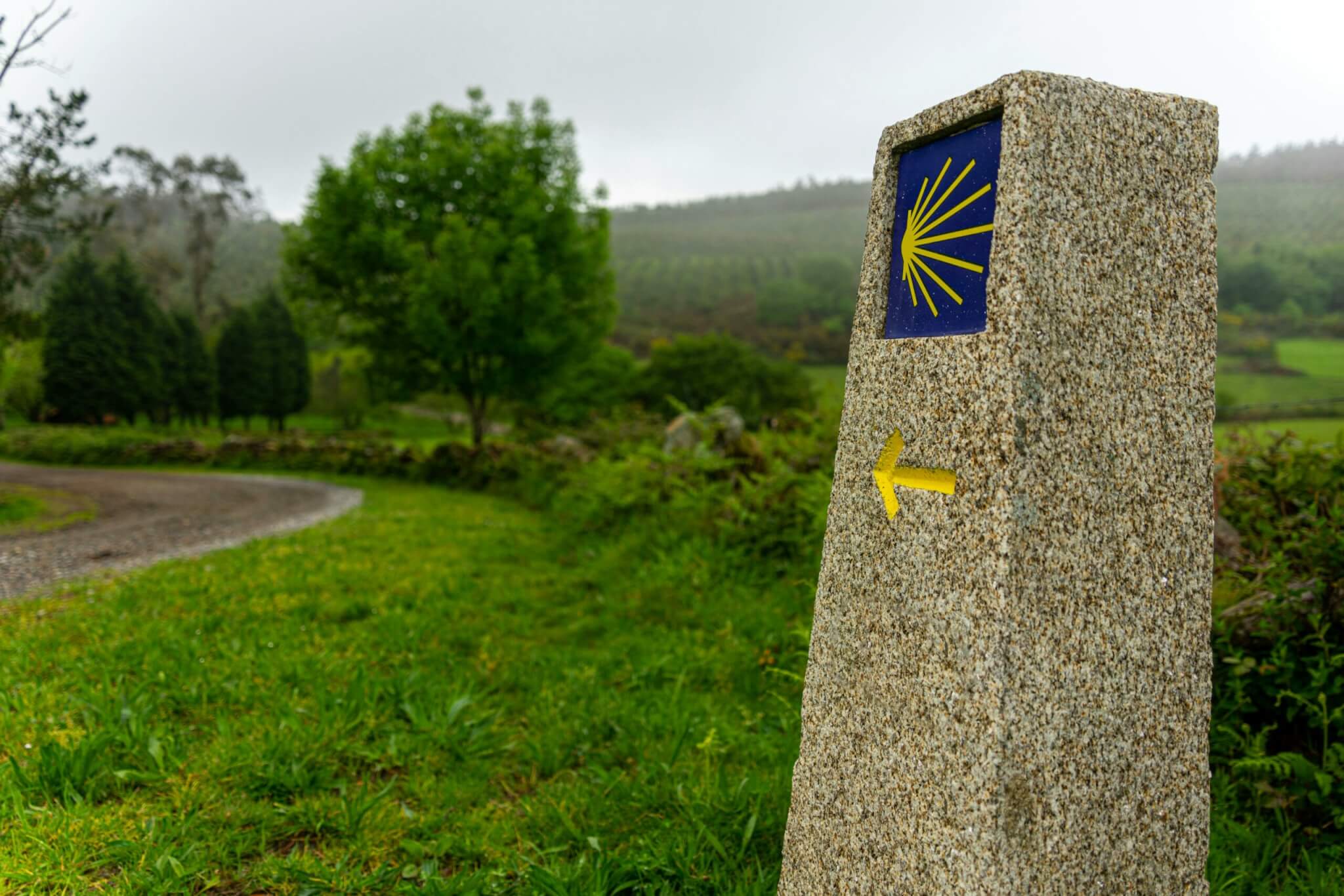
On the surface, it’s really simple; we are walking, we eat, sleep, and repeat from a point to Santiago de Compostela, but it’s what happens underneath that makes it interesting; it’s slower, deeper, and human.
This isn’t just a long-distance hike. It’s a structured inner journey that has been shaped by landscapes, villages, rituals, and the steady pace of walking.
What the Camino Really Is
The Camino de Santiago is not just a long-distance hiking route; besides being the most popular in the whole world, it’s actually a network of historic and reflective walking routes that criss-cross Europe and end in the city of Santiago de Compostela in Spain.
People have been walking those routes for ages; many do it for religious purposes, others are looking for a challenge, but lots of people do it for something harder to explain. Besides the regular “I’m doing it because the Camino is calling me”, they go because they feel restless or stuck, and they hope the trail helps them see things more clearly.
Here’s a thing that most people don’t realize until they’re on it: The Camino doesn’t force transformation. It creates space for it.
So, what makes the difference here is that it isn’t just about walking; psychologists often talk about the importance of containers, environments that are predictable, safe, and repetitive enough for the mind to soften. The Camino is exactly that.
Every day follows the same pattern:
- Wake up
- Walk
- Pause
- Arrive
And that’s what makes it different from a normal walk: you have time to spend with your own thoughts without the hassle, with constant decisions or notifications, as well as no pressure to perform.
When that mental noise drops, something interesting happens: thoughts you’ve been avoiding finally get airtime and not because you tried to “work on yourself,” but because walking gave your nervous system permission to breathe.
Why Walking Unlocks the Mind
There’s something magical about walking, besides being one of the best exercises we can do long-term. It has amazing benefits for the whole body, especially when you do it outdoors, but one of the biggest draws is that walking is constant, and that can regulate the brain.
Some studies in psychology and neuroscience show that repetitive, bilateral movement (like walking) helps calm the amygdala (the fear center) and increases creative problem-solving.
In simple terms? Your body relaxes, and your mind opens. This is the reason why pilgrims often say the same thing: “I didn’t come looking for answers. They just showed up.”
The Role of the Landscape
Now, you get all of those incredible benefits from walking, but when you combine that with a stunning landscape in a natural setting, the whole journey starts to feel more unique, emotionally intense, and deeper.
The landscape itself changes as you walk. For example, on the Camino Frances, you can start in the Pyrenees mountains, where the trail is steeper, and you need to put in a lot more effort. This physical challenge makes you focus on the present in a way that not many modern hikes can.
Then you get to Spain and its amazing countryside, rolling plains and wide fields where it’s almost too easy to let your mind drift. This, on top of the small ancient town you will find, and the other pilgrims you will meet. All of those changing scenes will shape your mood, your pace, and even the kinds of thoughts you have.
The Camino de Santiago
The Camino de Santiago is more than just a series of trails and stages across Spain and beyond. It acts like a mirror. With each step, your body and mind slow down. Your thoughts become clearer. You create space within yourself to think in ways you usually don’t. Walking transforms regular steps into something meaningful. It offers a chance to reflect, to breathe, to wonder. In the end, you return home with a renewed sense of who you are.