
What I Wish I Knew Before Backpacking Around Europe
There’s a version of backpacking around Europe that exists almost entirely online. It’s the one filled with perfect train rides, effortless border crossings, scenic cafés, and spontaneous adventures that somehow always work out.
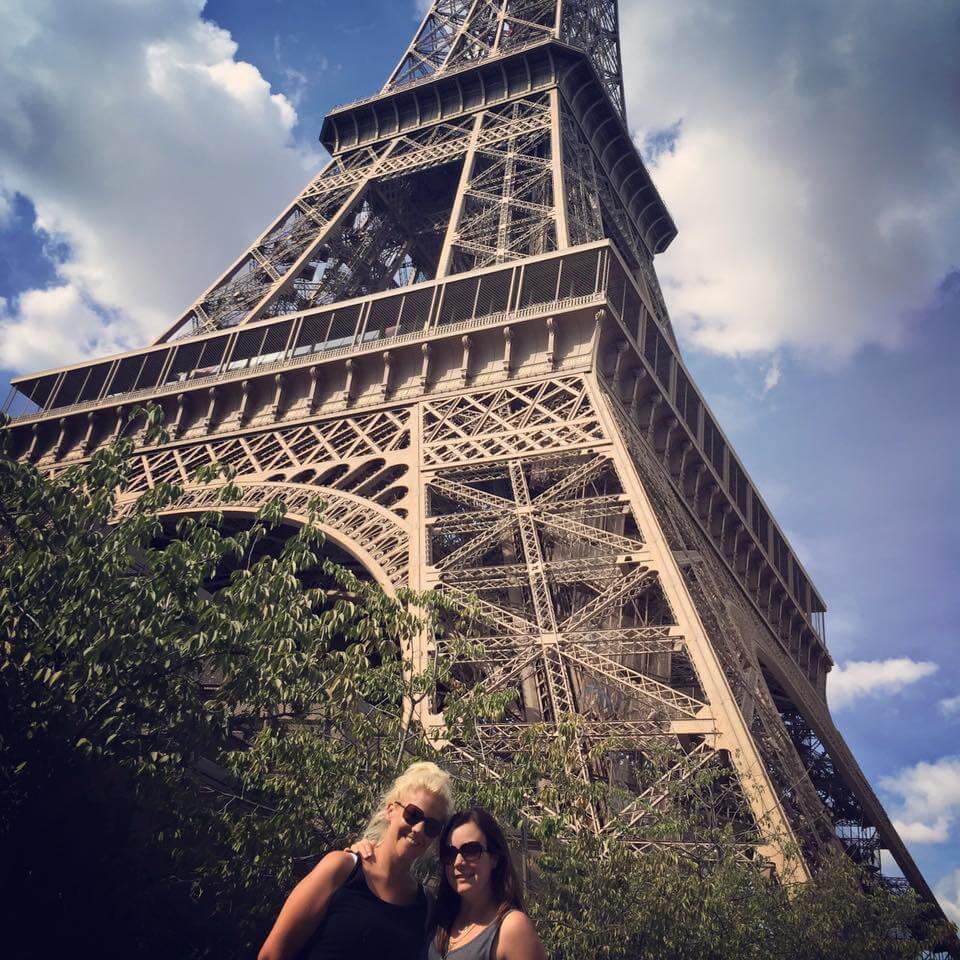
The reality is a little messier.
Europe absolutely delivers incredible experiences, but many first-time backpackers underestimate how exhausting constant movement can become. What looks simple on a map often turns into six-hour bus rides, missed train connections, expensive last-minute accommodation, and carrying a backpack through uneven streets in 35-degree heat.
None of that ruins the trip. In fact, some of those moments become the stories people remember most. But there are definitely things I wish I had understood before starting my first long backpacking route across Europe.
You Don’t Need to Visit Every Country
One of the biggest mistakes first-time travelers make is trying to fit too much into one trip.
Europe looks compact compared to other continents, which creates the illusion that moving between countries is effortless. Technically, it is easier than many places. But even short travel days consume more time and energy than people expect.
A route that looks reasonable on paper can quickly turn into constant packing, check-ins, and transportation logistics.
Some of the best experiences happen when you stay longer than planned. Maybe you meet people in a hostel and decide to continue traveling together. Maybe a mountain town turns out to be far more interesting than expected. Maybe you simply need a break from moving every two days.
The trips that feel most memorable usually have space for flexibility.
Overnight Transport Sounds Better Than It Feels
Before backpacking Europe, overnight buses and trains sound like the perfect budget hack. Save money on accommodation and travel while sleeping.
Sometimes that works.
Other times you barely sleep, arrive at 6 a.m. exhausted, and spend the entire next day trying to recover.
Overnight transport becomes more manageable once you understand your own travel style. Some travelers genuinely enjoy it. Others realize quickly that sacrificing rest to save money eventually affects the entire trip.
Long-term travel is less about squeezing every euro and more about maintaining enough energy to actually enjoy where you are.
Europe Is More Expensive Than Backpackers Expect
Social media still pushes the idea that backpacking Europe is extremely cheap. It can be affordable, but only if expectations are realistic.
Cities like Paris, Amsterdam, Copenhagen, and Zurich drain budgets quickly. Even destinations once considered cheap have become noticeably more expensive over the last few years, especially during peak summer months.
The costs that catch travelers off guard are usually the smaller ones:
- Public transport
- Baggage fees
- Hostel lockers
- Tourist taxes
- Last-minute train reservations
- Laundry
- Coffee and snacks between transfers
The easiest way to stretch a budget isn’t necessarily traveling ultra-cheap. It’s slowing down. Staying longer in each destination reduces transport costs and usually leads to a far better experience anyway.
Packing Light Changes Everything
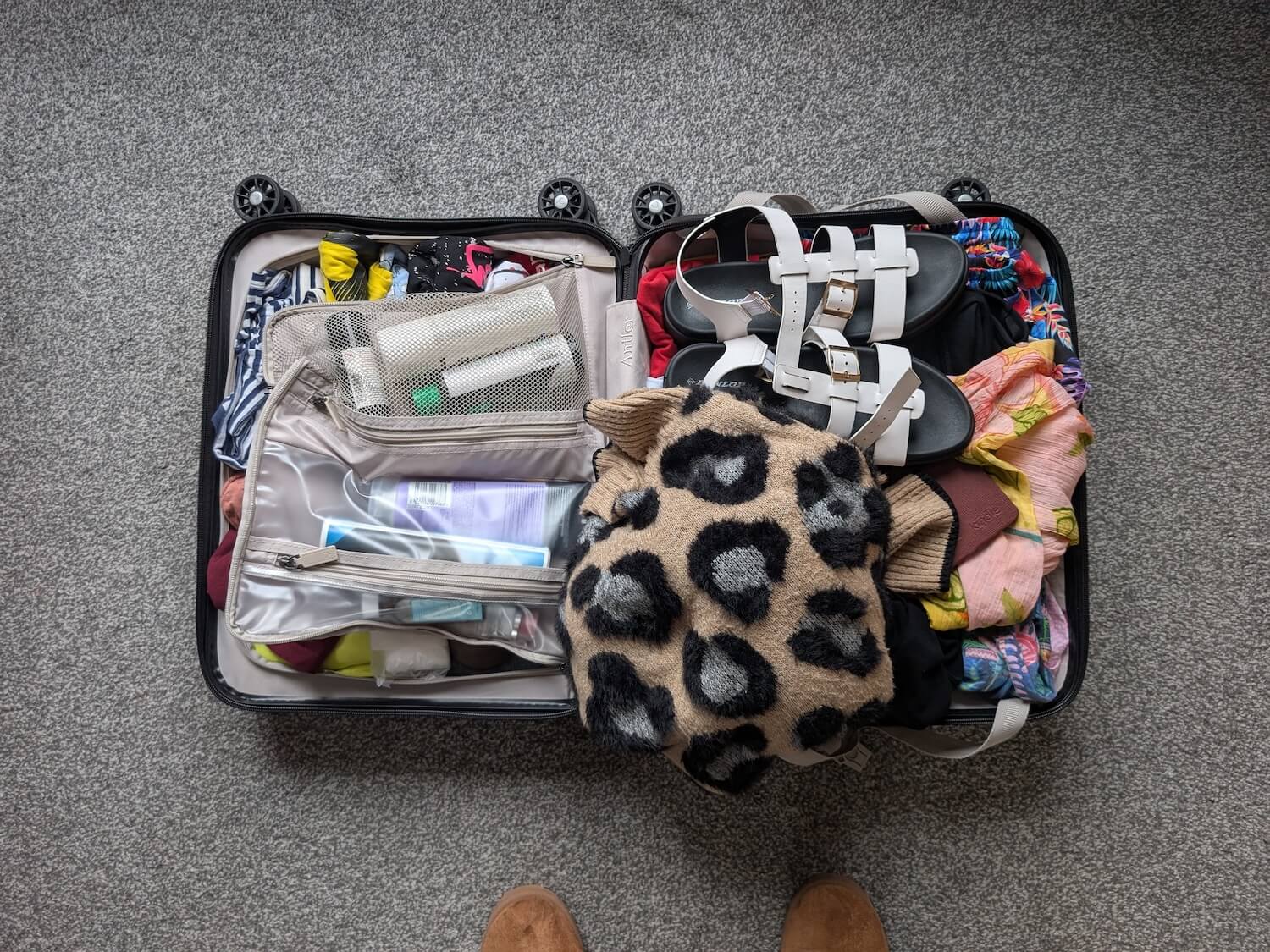
Almost everyone overpacks for their first Europe backpacking trip.
The fear of being unprepared leads people to carry extra shoes, backup outfits, heavy electronics, and clothing for every possible scenario. After two weeks, most realize they rotate through the same handful of items repeatedly.
Meanwhile, they’re dragging unnecessary weight through train stations, hostel staircases, cobblestone streets, and crowded metro systems.
The travelers moving most comfortably through Europe are rarely the ones carrying the most gear.
A lighter backpack gives you flexibility. You walk more easily, move faster between connections, and stress less about transportation or storage. That freedom matters far more than having extra clothes you probably won’t wear.
Weather in Europe Is Less Predictable Than You Think
A lot of first-time travelers imagine Europe based on postcards and Instagram photos. Sunny Mediterranean beaches. Perfect alpine hikes. Outdoor cafés every evening.
Then reality introduces cold rain in June or unexpected heatwaves in Central Europe.
Weather changes fast, especially if you’re moving across multiple regions. Southern Spain, the Alps, coastal Croatia, and northern Germany can feel like completely different seasons within the same week.
Packing adaptable layers matters far more than trying to predict exact conditions months ahead.
Staying Connected Becomes Surprisingly Important
Before traveling, I assumed mobile data would mostly be useful for messaging people back home.
In reality, internet access became essential almost immediately.
Train platforms changed without warning. Hostel addresses were harder to find than expected. Translation apps became useful constantly. Booking transport last-minute often depended on having reliable access online.
Modern backpacking in Europe is deeply connected to phones, maps, and travel apps. Losing connectivity while moving between countries becomes frustrating quickly.
That’s why many travelers now set up a Europe eSIM before arriving instead of trying to buy local SIM cards in every destination. On longer multi-country trips, it simply removes one recurring logistical problem from the experience.
Hostel Culture Isn’t Always What You Expect
Some hostels are social, energetic, and genuinely memorable. Others are noisy, cramped, and impossible to sleep in.
The biggest misconception is assuming every hostel automatically leads to instant friendships and effortless social experiences.
What actually matters most is choosing the right environment for your travel style.
Some travelers thrive in party hostels. Others prefer smaller places with calmer common spaces and organized activities. Reviews matter far more than price alone.
And honestly, it’s completely normal to occasionally want privacy after weeks of shared dorm rooms.
Slower Travel Usually Leads to Better Stories
When people imagine backpacking Europe, they often focus on famous destinations.
But years later, travelers rarely talk most about the landmarks. They remember random conversations on overnight ferries, small towns they almost skipped, unexpected festivals, or quiet days that were never part of the itinerary.
Those moments usually happen when there’s enough flexibility to notice them.
Travel becomes more rewarding once you stop treating every day like a checklist.
Final Thoughts
Backpacking around Europe is still one of the most rewarding ways to travel, especially for people who enjoy movement, unpredictability, and discovering places gradually instead of rushing through them.
But the trip becomes much easier once you accept a simple reality: not everything will go according to plan.
Trains will be delayed. Weather will change. Budgets will stretch. You’ll occasionally get tired of carrying your backpack.
And somehow, despite all of that, you’ll probably end up wanting to do it again.