
The Most Important Item in Your Suitcase: A Clear Mind
We often treat travelling as a way to reload and get rest, but going to unknown places can still do nothing to our mental health if we don’t take proper care of our minds. Check out this article to know how to treat your brain well.
Why Taking Care of Your Mind Is Just as Important as Planning Your Trip
We obsess over logistics like passports, insurance, and packing, believing perfect planning guarantees happiness. Yet, many travelers arrive at their dream destinations feeling stressed or exhausted despite a flawless itinerary.
The problem is simple: we plan the “outside” of our trip but neglect the “inside.” Your mental state is the lens through which you experience the world. Without emotional preparation, even a beautiful beach can feel like a chore. Taking care of your mind is just as vital as booking your flight; it’s the foundation of true discovery.

The Perfection Trap
There is a common myth that a plane ticket is a “magic reset button.” We think that as soon as we land in a new country, our stress, worries, and bad habits will stay at home. But the truth is that your brain travels with you. If you are burned out at work, you will likely be a burned-out traveler.
We also fall into the “perfection trap.” We look at edited photos online and expect our trip to look exactly like that. When the reality doesn’t match—when it rains, when the food is average, or when we feel tired—we feel like we have failed. This is why mental wellness is the foundation of a good trip. You cannot enjoy new scenery if your mind is stuck in “survival mode.”
Why Your Brain Rebels on Vacation
It might seem strange that our brains feel stressed on vacation, but from a psychological perspective, it makes perfect sense. Your home is your “safety nest.” Your brain knows exactly what to expect there, which allows it to relax. When you travel, you are stepping out of your comfort zone. Every street, language, and social rule is new. Your brain reacts to this by going on high alert, which can cause a biological stress response.
On top of this, travelers often suffer from “decision fatigue.” At home, you don’t have to think about where to get coffee or how to use the bus. On the road, every small task requires a choice. This drains your mental energy quickly. To help manage this pressure, many people look for the best apps to help with anxiety so they can have a reliable way to calm their nervous system when the choices feel too heavy. Without a way to handle this routine shock, you might find yourself feeling grumpy or overwhelmed by the third day of your trip.
The Benefits of Mental Pre-Loading
Just like you pre-load your phone with maps, you should pre-load your mind with resilience. When you prepare your mind, you build a “buffer” for when things go wrong. Because something will go wrong—a flight will be late, or a hotel reservation will be mixed up. A traveler with a prepared mind can handle these moments with a smile, while a stressed traveler might let a small delay ruin their entire day.
A calm mind is also much better at “encoding” memories. When you are anxious, your brain is too busy looking for threats to notice the beauty of a sunset or the smell of a local bakery. By taking care of your mental state, you move from “sorting” logistics to actually “savoring” the world. You notice the small details that make a trip special, and those details are what you will actually remember years later.
Simple Ways to Pack Your Mental First-Aid Kit
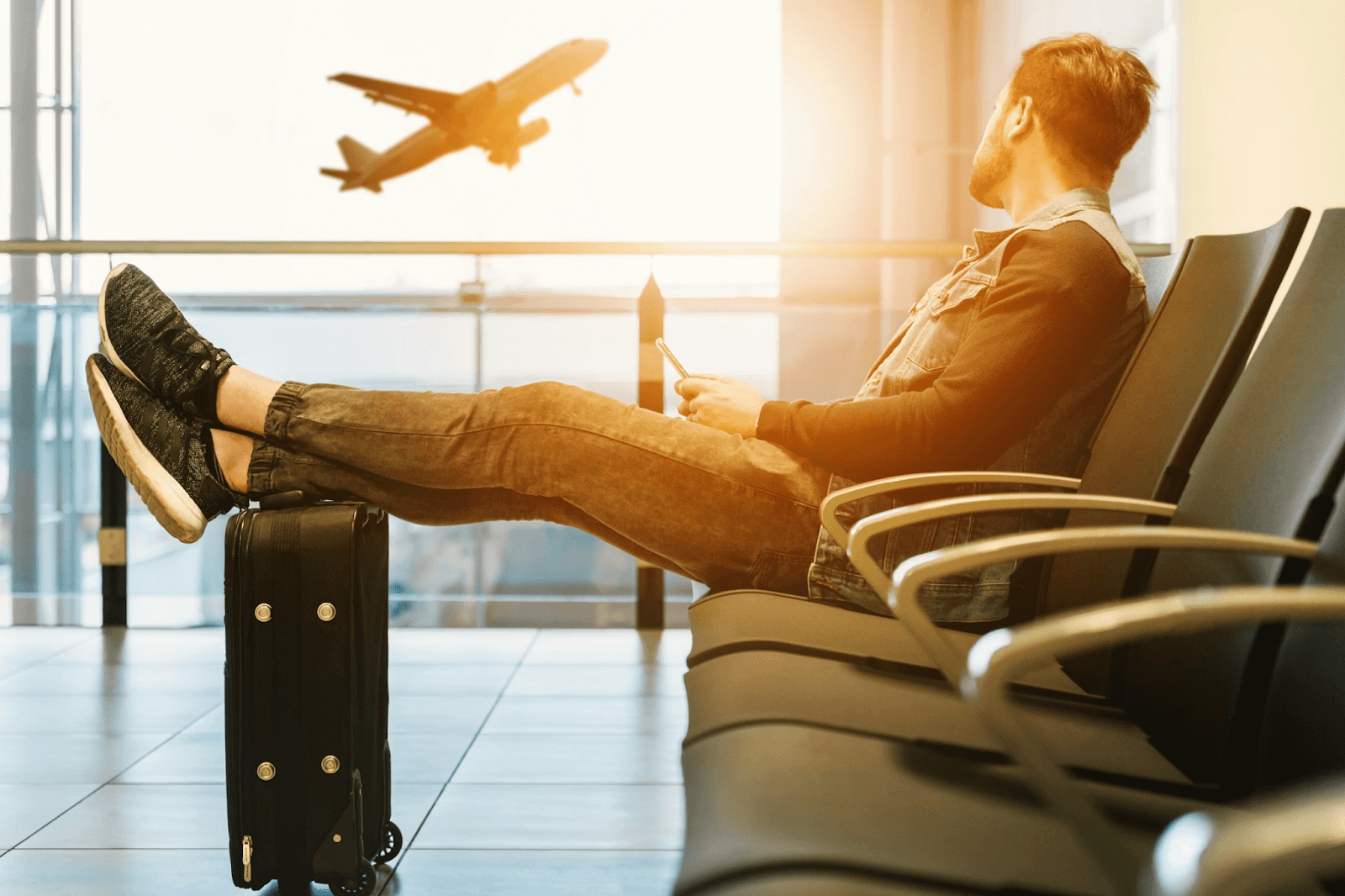
You don’t need a lot of equipment to take care of your mind. One of the best tools is a “morning anchor.” This is a five-minute ritual that stays the same no matter where you are sleeping. It could be a short meditation, a few stretches, or writing three things you are grateful for in a journal. This small bit of routine tells your brain, “I am safe, and I am in control.”
Managing your expectations is another key step. Instead of aiming for the “perfect” trip, aim for the “real” trip. Accept that there will be messy moments and boring hours. Finally, set digital boundaries. If you spend your whole trip looking at your phone to see what people are doing back home, you aren’t really traveling. Give yourself a “mental diet” and limit your scrolling so you can be fully present where you are.
Bringing the New You Home
The benefit of mental care doesn’t end when you get on the plane to go home. Many people experience a “post-trip crash” because they used their vacation as an escape rather than a way to grow. When you take care of your mind during the journey, the transition back to real life is much smoother.
You start to see travel as a tool for self-discovery. You learn how you handle challenges and what makes you feel truly peaceful. This “new version” of yourself is the best souvenir you could ever bring back. It’s a change in perspective that stays with you long after the tan has faded and the suitcase is put away.
Final Word
You wouldn’t dream of leaving for the airport without your passport or your wallet. You should feel the same way about your mental wellness. Taking five minutes to check in with yourself is just as important as checking in for your flight.
Travel is not just about a change of scenery; it is about a change of heart and mind. By planning for your emotional needs, you ensure that you aren’t just visiting a destination, but actually living in it. When you pack peace along with your clothes, you become a balanced traveler who is ready for anything the world has to offer.