
What Are the Benefits of Renting Electric Vehicles for Road Trips
You notice the difference on the first long stretch of road, because the cabin stays calm and quiet. There is less vibration through the seat, and conversation feels easier. Even your playlist sounds cleaner, because road noise drops.
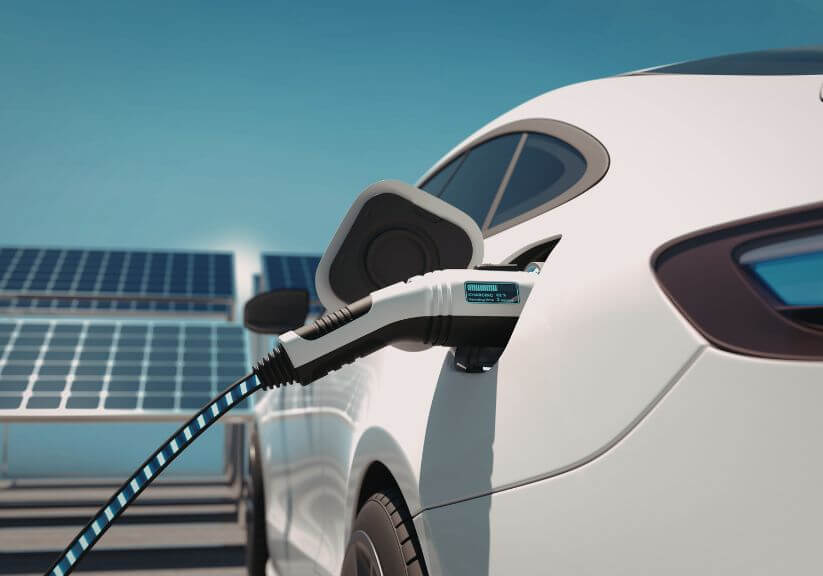
On a trip with tight timing, the biggest win is reducing small friction from start to finish. If you want an instant car rental Iceland option, convenience matters most at the airport or city pickup. A quick handoff can protect your first day plans, especially after a late arrival.
Lower trip stress comes from a quieter drive
An electric car makes long driving days feel less tiring, because it removes engine noise and gear shifting. You also get smooth pull away power, which helps in stop start traffic. That matters in towns, tunnels, and single lane stretches.
Regenerative braking is another relief during long descents and frequent bends. Instead of riding the brake pedal, the car slows as you ease off. That can feel steadier on unfamiliar roads, especially in rain or gusts.
If your route includes scenic stops, an EV can also be friendlier to the places you visit. Tailpipe emissions are not part of the experience at viewpoints or parking areas. It is a small detail, but it can change how a place feels.
That benefit is clearer in busy tourist months, when cars stack up at popular stops. With an EV, there is no idling exhaust while you wait. You still share the road, but your car is less intrusive.
Charging stops can improve your pace, not ruin it
People worry that charging will steal the day, yet the stop can work like a planned break. On long drives, a short pause for coffee, food, or photos is normal. Charging simply gives that break a useful purpose.
Your best results come from planning a few charging points before you set off. Check the distance between towns, and keep a buffer for wind, rain, and detours. If you treat the battery like a schedule tool, you stay in control.
It also helps to know the charging basics, including Level 1, Level 2, and DC fast charging. Connector types can differ by region and vehicle, so a quick refresher prevents surprises. The U.S. EPA has a clear overview of charging levels and ports for plug in vehicles.
When you build the day around two or three reliable stops, the trip feels predictable. You can aim for a longer lunch while the battery climbs. You can also top up briefly, then move on when it fits your plan.
If you like structured prep, borrow a few habits from classic road trip planning. Map your must see stops, then work charging into those breaks, instead of adding detours later. That mindset keeps the trip fun, rather than technical.
Costs can be easier to control
Fuel cost is the obvious variable on road trips, and electricity pricing can feel steadier. You often pay a known rate at a charger, rather than a surprise pump price. That can help when you are watching a daily spend.
EVs also avoid some common road trip costs that pile up quietly. There is no engine oil to monitor during the trip. There is also less brake wear, because regenerative braking handles much of the slowing.
Comfort can reduce spending too, in a roundabout but real way. When everyone is less drained, you make fewer impulse stops just to reset. Fewer unplanned breaks can keep your food and drink spend more intentional.
If you are traveling with friends or family, shared charging breaks can also lower friction. One person grabs snacks, another stretches, and another checks the next stop. That simple rhythm can keep a group moving smoothly.
Finally, EV rentals can let you test fit an electric car without committing long term. You get real driving hours across mixed roads and weather. That is more useful than a short test drive near home.
What to check before you choose an EV rental
Not every EV rental will suit every route, even if the distance looks simple on maps. A few quick checks can prevent last minute stress at pickup. This is even more true when you are landing late and starting early.
Start with the battery range, then compare it to your longest driving day with a buffer. Also confirm what charging access comes with the car, including cables or cards. If you are traveling with bags, check boot space and rear seat comfort too.
A simple checklist helps you match the car to your trip plan:
- Realistic range: plan for weather and speed, not the best case dashboard number.
- Charging compatibility: confirm the connector type and whether fast charging is supported.
- Pickup and return flow: check after hours options if your flight times are awkward.
- Driver aids: cruise control and lane support can reduce fatigue on long highway stretches.
- Luggage and passengers: make sure everyone fits comfortably with bags packed for the week.
If you sort these details early, the road days feel smoother and more predictable. You spend less time troubleshooting, and more time enjoying the stops you planned. That is the point of renting for a road trip in the first place.
EV range, weather, and terrain are manageable
Range anxiety often comes from guessing, not from the battery itself. Your driving speed, wind, temperature, and elevation changes all affect consumption. Once you expect that variation, you plan with less stress.
Cold weather can reduce range, because the cabin and battery need more energy. Rain and strong winds can add drag, and steep climbs draw extra power. These are normal factors, so the fix is a larger buffer.
A simple rule is to arrive at a charger with enough battery to handle a detour. Aim to keep a reserve you would not touch unless needed. That reserve buys freedom when you spot a tempting side road.
Charging speed also matters, because not every stop will be a fast stop. Some places will suit a longer break, while others suit a quick top up. The U.S. Department of Transportation explains charger types and typical charging speeds in a simple guide.
Pack with weather swings in mind, because comfort protects decision making. Extra layers, gloves, and a warm hat can keep the day steady. A solid winter travel approach is useful even outside deep winter months.
The road trip takeaway for EV rentals
An EV rental can make a road trip feel easier, because the drive is quiet and smooth. Charging goes better when you treat it like a normal break, and line up two or three stops with meals, bathrooms, or a quick photo stop. Costs can be simpler to follow too, since charging prices are often steadier than fuel. Give yourself a little buffer for weather and hills, and you can keep plans loose without watching the battery the whole day.